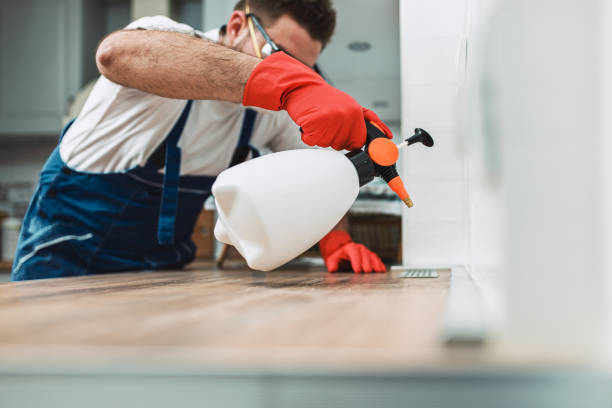
Male Worker Spraying Pesticide On Cabinet Male Worker Kneeling On Floor And Spraying Pesticide On Wooden Cabinet Pest Control stock pictures, royalty-free photos & images

Pests are not just an inconvenience; they pose substantial risks to both your health and the safety of your home. By understanding the importance of pest control, you can ensure a safer, healthier living environment for you and your family. Below, we’ll explore the key reasons why pest control is essential and how it helps safeguard your health and property.

Protecting Your Health from Disease-Carrying Pests

  • Mosquitoes: Can transmit diseases like dengue fever, malaria, West Nile virus, and Zika virus.
  • Rodents: Spread hantavirus, leptospirosis, salmonella, and even plague through their droppings or direct contact.
  • Cockroaches: Contaminate food surfaces with bacteria such as E. coli or salmonella while exacerbating asthma symptoms.
  • Ticks: Carry Lyme disease and other vector-borne illnesses that can have long-term effects on human health.

Professional pest control services utilize targeted techniques to identify infestations early and eliminate these threats before they pose significant dangers.

Preventing Structural Damage to Your Home

  • Termites cause billions of dollars in damages annually by eating through wood structures in homes.
  • Carpenter ants hollow out wooden beams by creating nests inside them.
  • Rodents chew on electrical wiring or insulation materials inside walls.

Unchecked infestations not only lead to costly repairs but also compromise your home’s safety. Regular inspections by pest control professionals help detect these problems early.

Pest Type Common Damage Prevention Methods
Termites Wood damage Annual inspections; soil treatments
Rodents Electrical damage Sealing entry points; traps
Carpenter Ants Hollowed wooden structures Removing moisture sources; bait systems

Avoiding Food Contamination

  1. Cockroaches spread bacteria from dirty surfaces onto food items.
  2. Rodents leave urine or droppings in pantries or on countertops.
  3. Ants contaminate food supplies by nesting inside packaging.

To minimize the risk: – Store all food in airtight containers. – Dispose of garbage regularly to prevent attracting pests. – Schedule professional pest treatments to address ongoing infestations promptly.

Enhancing Comfort Through Pest-Free Living

  • The sight of insects crawling around causes anxiety for many individuals.
  • Nocturnal pests disturb sleep cycles when they become active at night (e.g., bed bugs).

Pest control professionals offer solutions tailored specifically for each household’s needs—ensuring peace of mind without the hassle associated with DIY approaches that often fail.

By investing in regular pest management efforts led by qualified professionals who use environmentally safe methods when necessary (e.g., integrated pest management), households benefit greatly—both immediately through improved living conditions but also longer-term due reduced repair/health costs stemming directly from proper containment strategies employed against invasive organisms.

Expertise and Knowledge from a Trusted Exterminator in Miami Gardens FL

Professional exterminators have specialized training and experience that enable them to identify various pests, their behaviors, and the best methods to eliminate them. This expertise allows for:
– Accurate assessment of the infestation extent.
– Identification of the root cause (e.g., entry points or attractants).
– Tailored solutions based on specific pest species.

These professionals stay up-to-date with advancements in pest management techniques, ensuring they use the most effective and environmentally friendly strategies.

Effective Miami Gardens Pest Removal Solutions

DIY methods often provide only temporary relief from pests. Professional services focus on long-term prevention by addressing both current infestations and potential vulnerabilities in your property. Key aspects include:
– Sealing cracks, crevices, and other entry points.
– Providing recommendations for sanitation practices to deter pests.
– Regular follow-ups to monitor for re-infestation.

By implementing such measures, professionals help reduce the likelihood of recurring problems.

Safe and Effective Pest Control Service Miami Gardens FL

Store-bought pesticides can be harmful if not used correctly. Professionals use regulated products that are safe for humans and pets when applied properly. Key benefits include:
– Minimal risk of exposure to toxins due to precise application techniques. – Eco-friendly options that minimize environmental impact. – Integrated Pest Management (IPM) approaches that combine chemical treatments with non-toxic methods like traps or exclusion practices.

Feature DIY Methods Professional Services
Knowledge & Expertise Limited Comprehensive
Product Effectiveness Low High
Risk Management Potentially Harmful Well-Controlled
Long-Term Prevention Rarely Achieved Highly Effective

Time-Efficient Solutions

Dealing with pests on your own can be time-consuming and frustrating as you experiment with different solutions that may not work effectively. Professional exterminators quickly diagnose problems, implement proven treatments, and save you valuable time.

Protecting Property Value

Unchecked infestations can lead to structural damage over time (e.g., termites damaging wood or rodents chewing through wires). By investing in professional pest control services early:
1. You prevent costly repairs caused by pest-related damage. 2. You maintain the value of your home or business property.

Professional exterminators ensure comprehensive treatment plans tailored specifically to safeguard your investment.

By understanding these benefits, it becomes clear how hiring professional pest control solutions ensures better health outcomes while protecting both people and property from potentially extensive damage caused by pests over time.

Reasons Why Pest Control Services Are Essential for Every Household

Pest infestations can occur in any home, regardless of its size, age, or location. While some homeowners may attempt to manage pests with DIY methods, professional pest control services offer a level of expertise and efficiency that is difficult to achieve on one’s own. Here are key reasons why hiring pest control services is essential for every household.

1. Preventing Health Hazards

  • Allergies and asthma: Cockroaches and their droppings can trigger allergic reactions or worsen asthma symptoms in children and adults.
  • Diseases spread by pests: Rodents carry harmful bacteria like Salmonella and Hantavirus, while mosquitoes are known vectors for illnesses such as West Nile Virus and malaria.
  • Contaminated surfaces: Ants and flies can carry germs from waste areas into your kitchen or living spaces.

Hiring a professional pest control service ensures thorough elimination of these disease-carrying pests, reducing the risk to your family’s health.

2. Protecting Your Home from Structural Damage

Pest Type Potential Damage
Termites Chew through wood structures, weakening your home
Carpenter ants Bore into wooden furniture and walls
Rodents Gnaw on electrical wiring, increasing fire risks

Professional exterminators have the tools and knowledge to identify these hidden threats early and prevent costly repairs down the line.

3. Saving Time and Money

  • Identifying entry points
  • Eliminating breeding grounds
  • Using targeted treatments specific to the type of pest

By addressing infestations at their source, professional services save you time and reduce unnecessary expenses in the future.

4. Customized Treatment Plans

  • The type of infestation (e.g., bed bugs vs rodents)
  • The severity of the issue
  • Preventative measures suited for your environment

This personalized approach ensures more effective outcomes compared to generic methods.

5. Peace of Mind

Living with pests can be stressful. Whether it’s cockroaches scuttling across the floor or rodents scratching behind walls at night, an infestation disrupts daily life. Professional exterminators not only eliminate existing issues but also implement preventative measures that keep pests out for good—allowing you to enjoy a clean, comfortable space without worry.

Investing in professional pest control services is not just about resolving immediate problems; it’s about safeguarding your health, protecting your property from long-term damage, reducing stress, and maintaining a high quality of life for everyone in your household.
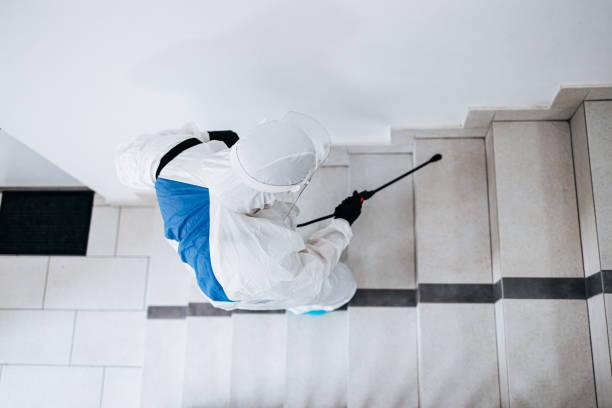
Spraying, disinfection and decontamination Manual worker in protective work wear spraying virus and bacteria disinfection in residential building with sprayer. Pest Control stock pictures, royalty-free photos & images

Health Threats Posed by Pests and How to Eliminate Them Effectively

Pests are more than a nuisance; they pose significant health risks to you and your family. From spreading diseases to triggering allergies, pests can harm your well-being if left unchecked. Understanding these threats and the appropriate methods to eliminate pests effectively is critical in maintaining a safe and healthy living environment.

Common Health Risks Caused by Pests

  • Mosquitoes: Spread diseases like malaria, dengue, West Nile virus, and Zika virus.
  • Rodents: Carry hantavirus, leptospirosis, salmonella, and plague-causing bacteria.
  • Cockroaches: Spread pathogens like E. coli and salmonella through contaminated surfaces or food.
  • Dust mites produce allergens that can exacerbate asthma or cause respiratory irritation.
  • Cockroach droppings are a common trigger for allergic reactions in sensitive individuals.
  • Bed bugs cause itchy welts on the skin due to their bites.
  • Fleas can cause severe itching and even transmit diseases like typhus.

Effective Pest Elimination Strategies

  1. Regularly clean floors, countertops, and other surfaces where food particles accumulate.
  2. Use sealed containers for storing food to prevent access by rodents or insects.
  3. Dispose of trash promptly in tightly sealed garbage bins.
  4. Inspect your home for cracks around windows, doors, vents, or foundations.
  5. Use caulk or weather stripping to seal these gaps effectively.
  6. Remove stagnant water sources such as clogged drains or unclean birdbaths.
  7. Fix leaking pipes or faucets that may create breeding grounds for mosquitoes.
  8. Use Professional Pest Control Services
    When DIY remedies fail or an infestation becomes severe, professional pest control services are the safest option: | Benefits of Professionals | Key Advantages | |—————————|—————-| | Expertise in pest identification | Tailored solutions for specific infestations | | Safe use of pesticides | Long-term prevention strategies | | Advanced tools/equipment | Faster results with minimal disruption |
  9. Adopt Preventive Measures
    Long-term prevention ensures a pest-free environment:
  10. Install screens on windows and doors.
  11. Keep vegetation trimmed away from the house.
  12. Schedule regular inspections by pest control experts.

Why Timely Pest Control Matters

Ignoring pest infestations allows them to multiply rapidly, increasing the risk of disease transmission within your home environment. Addressing the issue early helps minimize potential health hazards while protecting your property from further damage caused by destructive species like termites or rodents.

By recognizing these risks and employing effective strategies—both preventive measures and expert services—you can ensure that your household remains safe from the dangers posed by pests throughout the year while enjoying peace of mind about your family’s health and safety.

How Pests Can Damage Your Home and Belongings Over Time

Pests may seem like minor inconveniences at first, but over time, their presence can lead to significant damage to your home and belongings. Understanding how pests cause this destruction is crucial to protecting your property. Below is an in-depth look at the ways pests can impact your living space and the measures you can take to mitigate these risks.

Structural Damage Caused by Pests

  • Termites: Known for silently eating away at wooden structures, termites can weaken beams, floors, and ceilings, leading to expensive repairs.
  • Carpenter Ants: These ants burrow into wood to create nests, hollowing out critical structural components of a house.
  • Rodents: Rats and mice gnaw on wood, drywall, and insulation materials while creating pathways within walls.

By targeting key building materials, these pests undermine the safety and stability of a home.

Damage to Personal Belongings

  • Fabric Damage: Moths and carpet beetles feed on natural fibers such as wool, silk, or cotton found in clothing, upholstery, or curtains.
  • Paper Destruction: Silverfish thrive on starchy materials like paper, damaging books, important documents, photographs, or wallpaper.
  • Contaminated Storage: Rodents often chew through storage boxes containing seasonal items or family heirlooms while contaminating them with droppings or urine.

This loss of personal possessions often carries emotional value that cannot be replaced.

Electrical Hazards Created by Rodents

  1. Exposed wiring that increases the risk of electrical fires.
  2. Malfunctioning appliances due to compromised power cords.
  3. Frequent electrical outages caused by damaged circuitry within walls.

Addressing rodent infestations promptly prevents these hazards from escalating into costly repairs or potential safety issues.

Prevention Tips for Protecting Your Home

  1. Seal Entry Points: Inspect windowsills, door frames, vents, and utility openings for gaps or cracks where pests could enter.
  2. Maintain Cleanliness: Eliminate food crumbs or spilled liquids that attract pests like ants or cockroaches.
  3. Use airtight containers for pantry goods like grains and cereals.
  4. Keep seasonal clothing in sealed plastic bins with cedar blocks for added protection.
  5. Schedule Regular Inspections with Professional Pest Control Services:
  6. Detect infestations early before severe damage occurs.
  7. Implement treatment solutions specific to identified pest types.
Pest Type Common Damage Prevention Strategy
Termites Weakening wood structures Annual inspections; treat soil around home
Rodents Chewed wires & insulation Seal entry points; set traps
Carpet Beetles Damaged fabrics Vacuum carpets regularly; store clothing properly

The Long-Term Cost of Ignoring Pests

Ignoring an infestation allows pest-related damage to accumulate over time—leading to higher repair costs later on compared to addressing issues quickly through professional intervention.

By understanding the extent of harm pests can cause both structurally and personally—and implementing preventive practices—you’ll preserve the value of your home while avoiding unnecessary expenses caused by unchecked infestations over time.

The Risks of Food Contamination from Pests and How to Prevent It

Pest infestations not only disrupt the comfort of your home but can also pose significant risks to food safety. Rodents, cockroaches, ants, flies, and other pests are frequent culprits responsible for food contamination. Understanding these risks and implementing preventive strategies is crucial for maintaining a safe and healthy environment.

How Pests Contaminate Food

  • Droppings and Urine: Rodents such as mice and rats leave droppings and urine in places where they scavenge for food. Even small traces can lead to the spread of harmful bacteria such as Salmonella or E. coli.
  • Bacteria Transmission: Cockroaches carry bacteria on their legs and bodies, transferring them to surfaces like countertops or directly onto exposed food items.
  • Pathogens in Saliva: Flies collect pathogens from decaying organic matter or waste and transfer them when they land on food items or preparation surfaces.
  • Chewing Through Packaging: Rodents and insects often chew through food packaging, leaving behind not just contamination but also creating entry points for other pests.

Health Risks Associated with Contaminated Food

  • Foodborne Illnesses: Ingesting bacteria like Listeria, Campylobacter, or Salmonella can result in gastrointestinal infections causing nausea, diarrhea, cramps, and fever.
  • Allergic Reactions: Droppings or body fragments of pests such as cockroaches can trigger allergic reactions or exacerbate asthma symptoms.
  • Toxin Exposure: Some pests produce toxic byproducts that are harmful when ingested – an example being certain types of fungi carried by insects that grow on stored grains.

Preventive Measures To Avoid Food Contamination

  1. Store dry foods like grains, flour, sugar, and cereals in airtight containers.
  2. Regularly inspect pantry shelves for signs of infestation.
  3. Clean spills immediately to avoid attracting pests.
  4. Dispose of garbage daily in sealed trash bags.
  5. Avoid leaving pet food out overnight.
  6. Repair cracks around doors or windows where pests might enter.
  7. Install weather-stripping on doors for a tighter seal.
  8. Monitor areas prone to pest activity such as kitchens, basements, attics, or crawl spaces.
  9. Schedule routine checks by a professional exterminator.
  10. Utilize Professional Pest Control Services: If an infestation is detected despite preventive measures, rely on trained professionals with expertise in identifying pest types and implementing appropriate solutions.
Exterminator Professional worker in protective workwear using sprayer for disinfection and disease control. Covid-19 and coronavirus pandemic concept. Pest Control stock pictures, royalty-free photos & images

Pest Type Common Risk Prevention Method
Rodents Chewing & urination Seal holes; set traps; maintain cleanliness
Cockroaches Pathogen transmission Eliminate water sources; use baits/traps
Ants Food spoilage Block entry trails with caulk
Flies Bacteria transfer Use fly screens & proper waste disposal

By combining diligent household practices with professional support when necessary, it becomes possible to safeguard your home’s food supply against pest-related dangers effectively.

Stress-Free Living Through Effective Professional Pest Control Services

Benefits of Professional Pest Control for a Stress-Free Life

  • Thorough Inspection and Prevention:
    Professional pest control services begin with detailed inspections to identify the root cause of infestations. This process ensures that pests are not only eliminated but also prevented from returning.
  • Customized Solutions:
    Every home is unique, and so is every pest problem. Trained exterminators provide tailored treatment plans designed to eliminate specific pests while safeguarding your property and health.
  • Safe and Effective Methods:
    Certified exterminators use eco-friendly products and advanced techniques that are safe for humans and pets but highly effective against pests. This alleviates concerns about harmful chemicals being used in your home.
  • Time-Saving:
    DIY methods often require trial and error, which can be time-consuming and frustrating. Professionals get the job done quickly, allowing you to spend more time on activities you enjoy.

Common Stress-Inducing Pest Issues Solved by Professionals

Pest Problem Associated Stress How Experts Resolve the Issue
Rodent Infestations Damage to wiring, contamination of food Sealing entry points, baiting/trapping
Termites Structural damage to wood Termite barrier treatments and fumigation
Ants Food invasion; difficulty locating colonies Baiting systems targeting entire colonies
Cockroaches Disease transmission; unsightly presence Application of repellents & insecticides
Bed Bugs Sleep disruption; allergic reactions Heat treatments or specialized sprays

Long-Term Peace of Mind Through Preventive Care

One major advantage of opting for professional extermination services is their focus on long-term prevention. Many companies offer recurring maintenance programs that include periodic inspections and treatments to ensure pests do not return. This proactive approach significantly reduces the chance of future infestations while allowing homeowners to live worry-free.

Tips for Maintaining a Pest-Free Home

  1. Keep all areas clean and free from crumbs or spills that might attract pests.
  2. Seal gaps around doors, windows, pipes, and vents.
  3. Dispose of trash regularly using tightly sealed garbage bins.
  4. Store food in airtight containers.
  5. Eliminate standing water sources to prevent mosquitoes from breeding.

By combining these efforts with reliable pest control services, you can create an environment where you no longer need to worry about unwanted guests invading your space.

Professional pest management isn’t just about getting rid of bugs or rodents—it’s about creating a comfortable living environment where every member of the household feels safe from harm or inconvenience caused by pests’ presence.​


Pest Control Worker Shaking Hands With Woman Male Pest Control Worker Shaking Hands With Happy Woman In Kitchen Pest Control stock pictures, royalty-free photos & images

Pests can pose a significant threat to the safety, well-being, and comfort of your home. Whether it’s termites compromising the structure of your house, rodents carrying diseases, or cockroaches triggering allergies, ignoring pest infestations can lead to serious consequences. Understanding when pest control becomes essential is critical to protecting your family’s health and maintaining the integrity of your living space.

Why Pest Control Is Crucial

  1. Rodents can carry harmful pathogens like salmonella and hantavirus.
  2. Cockroaches are known to spread bacteria such as E. coli.
  3. Mosquitoes can transmit illnesses like dengue fever, malaria, or West Nile virus.
  4. Pests such as dust mites and cockroaches produce allergens that trigger asthma attacks or respiratory issues.
  5. Stinging insects like bees and wasps can cause severe allergic reactions in some individuals.
  6. Termites eat away at wooden structures, weakening foundations and compromising safety.
  7. Rodents gnaw through wires, creating fire hazards.
  8. Carpenter ants burrow into wood, potentially causing extensive damage over time.

Signs You Need Immediate Pest Control

  • Droppings or Gnaw Marks: These are common indicators of rodents or other pests inhabiting your space.
  • Damage to Wood Structures: Look for hollow-sounding wood or sawdust-like debris caused by termites.
  • Unpleasant Odors: A musty smell could indicate pest nests or decaying organic materials left behind by pests.
  • Bites on Skin: Unexplained bites may suggest bed bugs or fleas in your home.
  • Nocturnal Noises: Scratching sounds in walls or ceilings at night often signal rodent activity.

Benefits of Proactive Pest Control

Aspect Proactive Approach Reactive Approach
Cost Lower long-term maintenance cost Higher costs due to repairs/damage
Impact on Health Prevents exposure to diseases early Delayed action may lead to health risks
Structural Integrity Protects property from early damage Repairs needed after visible damage

Steps You Can Take Today

  • Seal cracks and crevices around doors and windows to block entry points.
  • Keep food in sealed containers to avoid attracting pests like ants or rodents.
  • Regularly inspect areas prone to moisture (e.g., basements) which attract pests such as termites.
  • Dispose of garbage promptly in tightly sealed bins outside your home.

By understanding the importance of timely intervention and recognizing when professional assistance is necessary, you can ensure a safe environment for your family while protecting one of your most valuable assets—your home.

Identifying Signs of Escalating Pest Issues with Miami Gardens FL Pest Control

Identifying pest activity early can save you time, money, and protect your home from potential damage. Knowing the signs of an infestation is key to addressing the problem before it escalates. Below are common warning indicators that pests may be present in your home.

Identifying Physical Evidence of Miami Gardens Pest Removal

One of the most apparent signs of a pest problem is physical evidence left behind by these unwelcome visitors. Look out for:
Droppings: Rodents, roaches, and other pests leave droppings in areas they frequent, such as kitchens, basements, or storage spaces.
Shed Skin or Body Parts: Insects such as cockroaches or bed bugs often shed their skin as they grow.
Gnaw Marks: Rodents chew on food packaging, wires, and wooden structures to wear down their teeth.
Nesting Materials: Shredded paper, fabric, or insulation found in obscure corners might indicate rodent nesting.

Effective Pest Control Service Miami Gardens FL for Noises in Walls or Ceilings

Unexplained sounds such as scratching, squeaking, or rustling—especially at night—could signal rodents or other pests moving through walls, ceilings, or crawl spaces.

Unusual Smells

Certain pests emit distinct odors that could serve as red flags for infestations: – A musty smell might indicate mold caused by moisture-loving pests like termites or silverfish. – A pungent or ammonia-like odor often signifies a rodent issue. – Sweet but unpleasant smells may point to cockroach infestations.

Damage to Property

Pests can cause significant damage to both your home’s structure and belongings: | Type | Damage Description | |———|————————————————–| | Wood | Termites create holes in wooden structures; furniture may weaken over time. | | Food | Opened packaging with chew marks indicates contamination by rodents or insects. | | Wiring | Exposed cords and gnawed wires are common signs of mice or rats. |

Pest Sightings

The sighting of live insects or rodents during daylight hours may suggest a severe infestation since many pests are nocturnal and tend to avoid humans when populations are low.

Increased Pest Population Outdoors

An uptick in pests around the exterior of your property (ants near windowsills, wasps building nests under eaves) could be an indication that they’re making their way inside.

What Should You Do Next?

If you’ve identified any warning signs listed above: 1. Perform a thorough inspection of your home’s interior and exterior for additional evidence. 2. Seal cracks around windows and doors where pests may enter. 3. Remove food sources by keeping pantries clean and disposing of waste promptly. 4. Consider reaching out to a professional pest control service for expert assessment and treatment.

By acting quickly at the first sign of escalating pest activity, you can address minor problems before they develop into widespread infestations that threaten your home’s integrity and your family’s health.

Understanding How Pest Infestations Can Develop and Spread Rapidly

Pest infestations can escalate quickly if left unchecked. A small issue may grow into a major problem within days or weeks depending on the type of pest, the environment, and how proactive you are in addressing the situation. Understanding how infestations develop and spread is crucial for implementing timely interventions.

Common Ways Pest Infestations Begin

  • Cracks and Openings: Tiny cracks in walls, around windows, or doors provide entry points for insects like ants and cockroaches.
  • Unsealed Food: Improperly stored food can attract pests such as rodents, flies, and pantry pests like beetles.
  • Standing Water: Mosquitoes thrive in stagnant water found in buckets, gutters, or even indoor potted plants.
  • Used Furniture or Boxes: Secondhand items may harbor pests like bed bugs or fleas that are inadvertently brought into your home.

Factors Contributing to Rapid Spread

Factor Impact on Pest Growth
Abundant Food Sources Readily available food accelerates reproduction rates.
Lack of Predators Indoor environments often lack natural predators to control pests.
Suitable Climate Conditions Warmth and humidity inside homes promote rapid pest multiplication.

For example: – Rodents can reproduce every three weeks under ideal conditions. – Cockroaches lay egg cases containing 20–50 eggs at a time.

Types of Pests Known for Rapid Infestation

  1. Thrive in warm, moist areas such as kitchens or bathrooms.
  2. Can spread bacteria that cause illnesses like salmonella.
  3. Hitchhike on luggage, furniture, or clothing.
  4. Spread rapidly from room to room within homes or multi-unit buildings.
  5. Travel in large colonies; once they establish a trail indoors, more will follow.
  6. Reproduce prolifically; a single pair of mice can lead to dozens within months.

Preventing the Development of Infestations

  • Seal cracks and openings around windows, doors, pipes, and vents using caulk or mesh screens.
  • Store food in airtight containers to deter insects and rodents from accessing it.
  • Keep trash bins tightly sealed both indoors and outdoors.
  • Regularly inspect secondhand furniture before bringing it inside your home.

When Professional Help Becomes Necessary

  1. Contacting licensed exterminators ensures comprehensive treatment tailored to specific pest types.
  2. Professionals use advanced equipment and treatments that target not only visible signs but also hidden nests.

By understanding how quickly an infestation can spread—and addressing potential risks early—you minimize both damage to your property and threats to your family’s well-being over time.

Professional exterminator in work wear spraying pesticide or insecticide with sprayer tank. Professional exterminator in work wear spraying pesticide or insecticide with sprayer tank. Pest Control stock pictures, royalty-free photos & images

The Limitations of Temporary Pest Control Solutions and Why Professional Help Matters

Temporary pest control solutions, such as DIY traps, sprays, and over-the-counter pesticides, may seem like a cost-effective and convenient way to address pest infestations. However, these approaches often fall short of providing long-term results and may even exacerbate the problem. Addressing the limitations of these solutions helps homeowners understand why professional pest control services are often the most effective choice.

Ineffectiveness Against Large Infestations

  • Limited Reach: Store-bought sprays or traps only target visible pests but fail to address hidden colonies or nests within walls, basements, or attics.
  • Lack of Expertise: Identifying the source of an infestation requires knowledge about pest behavior that most homeowners lack. Without treating the root cause, pests are likely to return.

Health Risks Associated With Improper Usage

Temporary pest control products often involve chemicals that can be harmful if used incorrectly. Misapplication can lead to health risks such as respiratory problems or skin irritation for both humans and pets.

  • Overuse of pesticides can leave harmful residues in living spaces.
  • Lack of proper safety precautions during application increases exposure risks.
  • Some pests may develop resistance if products are applied incorrectly or too frequently.

Short-Term Relief Without Addressing Underlying Causes

Problem Area Example Effect on Pest Activity
Poor sanitation Unsealed food containers or crumbs Attracts cockroaches and ants
Structural gaps Cracks in walls or foundation Entry points for rodents and insects
Standing water Leaking pipes or clogged drains Breeding grounds for mosquitoes

While temporary measures might eliminate visible pests, they rarely address these root causes effectively.

Advantages of Professional Pest Control Services

  • Thorough Inspections: Professionals conduct comprehensive assessments to identify all infestation sources.
  • Targeted Treatments: Using specialized equipment and products designed for specific pests ensures efficient removal.
  • Preventative Measures: Experts offer advice on sealing entry points and improving sanitation to reduce future risks.
  • Safer Practices: Licensed technicians follow strict safety protocols when applying treatments.

Cost Efficiency Over Time

While professional services may have higher upfront costs than DIY methods, they often prove more cost-effective in the long run by preventing recurring infestations and minimizing damage repair expenses.

By understanding the limitations of temporary pest control measures and recognizing the value professional exterminators bring, homeowners can make informed decisions about safeguarding their homes from persistent pest issues.

Ensuring Your Home’s Safety With a Trusted Pest Control Company Miami Gardens FL

Pests can cause significant structural damage to your home if left unchecked, leading to costly repairs and potential safety hazards. Understanding how pests compromise your home’s structural integrity is crucial for preventing long-term damage. Taking proactive measures and seeking professional pest control services when necessary is a responsible approach to safeguarding one of your most valuable investments.

Common Pests That Threaten Your Home’s Structure

  • Termites: Often referred to as “silent destroyers,” termites feed on wood and cellulose materials. They can weaken wooden beams, floors, and walls over time.
  • Carpenter Ants: These ants burrow into wood to create nesting areas, which can compromise the strength of wooden structures.
  • Rodents (Rats and Mice): Rodents chew through wiring, insulation, and even drywall while searching for food or creating nests. Their activities increase fire risks due to damaged wires.
  • Powderpost Beetles: These beetles lay their eggs in wood, and their larvae burrow through it as they grow, leaving powdery dust behind as evidence of their presence.
  • Wood-Boring Wasps: Although less common than termites or carpenter ants, these insects can target untreated or decaying wood in homes.

Signs of Structural Damage Caused by Pests

  • Sagging floors or ceilings caused by weakened support beams.
  • Hollow-sounding wood when tapped on (a sign of termite infestation).
  • Small holes or tunnels in wooden surfaces (commonly caused by powderpost beetles).
  • Accumulation of sawdust-like material near wooden structures (frass left behind by carpenter ants).
  • Chewed wires or shredded insulation in attics or basements (a sign of rodent activity).

Why You Should Act Quickly

Pest Type Potential Damage Repair Costs
Termites Weakening load-bearing walls $3,000 – $8,000+
Carpenter Ants Compromised structural support $500 – $5,000
Rodents Electrical fires from gnawed wires; insulation damage $1,000 – $3,500+

Delaying intervention also increases the likelihood that pests will spread throughout your home.

Preventative Measures to Safeguard Your Home

  1. Seal Entry Points: Close gaps around doors, windows, pipes, and vents where pests may enter.
  2. Reduce Moisture Levels: Fix leaks promptly and use dehumidifiers in damp areas like basements.
  3. Inspect Wooden Structures Regularly: Check for signs of termite activity or other infestations.
  4. Store Firewood Away from Home: Keep firewood at least 20 feet away from the house since it attracts termites.
  5. Schedule Annual Inspections: Professional exterminators can identify potential issues before they become severe.

The Role of Professional Pest Control Services

While DIY solutions may address minor problems temporarily, professional exterminators provide comprehensive inspections and tailored treatment plans designed to eliminate infestations effectively while preventing future occurrences.

Investing in timely pest control helps maintain your home’s safety and value while minimizing the risk of serious structural issues caused by invasive pests over time.

Reducing Health Risks by Preventing Indoor Contamination From Common Household Pests

Household pests can pose serious health risks to you and your family. While many people associate pests with minor inconveniences, such as property damage or food waste, the presence of pests can lead to significant indoor contamination and health hazards. From spreading disease-causing pathogens to triggering allergies, the impact of pest infestations on health cannot be overstated. By understanding these risks and implementing preventive measures, you can create a safer living environment for your family.

Health Risks Associated With Common Household Pests

  • Spread bacteria like Salmonella and E. coli, which cause foodborne illnesses
  • Trigger asthma and allergy symptoms due to their droppings, saliva, and shed skin
  • Transmit diseases such as Hantavirus, Leptospirosis, and Lymphocytic Choriomeningitis (LCMV)
  • Contaminate food supplies through urine or droppings
  • Carry fleas that spread additional illnesses like typhus
  • Can introduce contaminants into food storage areas by transferring dirt or pathogens picked up outdoors
  • Cause itchy bites that may lead to secondary infections if scratched excessively
  • Disrupt sleep patterns due to their nocturnal feeding habits
  • Spread harmful organisms on surfaces, including bacteria like E. coli and Campylobacter

How Indoor Contamination Occurs

Contamination Method Examples of Impact
Droppings & Urine Rodent droppings in food pantries can spread diseases
Food Contact Ants walking over exposed foods transfer bacteria
Airborne Allergens Cockroach exoskeletons release particles into the air
Physical Presence Bed bugs leave behind blood spots and skin casings

These forms of contamination often go unnoticed until they become severe enough to require professional intervention.

Practical Steps To Prevent Pest-Induced Contamination

  1. Regularly clean kitchen surfaces, floors, and food storage areas to eliminate crumbs or spills that attract pests.
  2. Empty garbage bins frequently with tightly sealed lids in place.
  3. Inspect your home for cracks along windowsills, doors, or foundation walls where insects or rodents may enter. Use caulking or weather stripping as necessary.
  4. Store dry goods and leftovers in airtight containers made of glass or heavy-duty plastic. Avoid leaving pet food out overnight.
  5. Fix leaky faucets or pipes promptly since excess moisture attracts cockroaches and other pests like silverfish.
  6. Consider professional pest control assessments at least once a year for early detection before infestations escalate.

Professional pest management is essential when contamination becomes too widespread for DIY solutions to handle effectively. Experts have access to advanced tools designed not only for eliminating current infestations but also for preventing future occurrences—protecting both your home’s hygiene standards and your family’s health long-term.


Exterminator working Man in protective suit disinfecting and spraying every room in the building Pest Control stock pictures, royalty-free photos & images

Effective pest control is essential for maintaining a safe, healthy, and comfortable living environment. When pests invade your home, they not only cause inconvenience but may also pose serious health risks and property damage. Below are resources and tips to help residents manage and prevent pest infestations.

Common Household Pests

  • Rodents (e.g., rats, mice): Known for chewing through wires and contaminating food supplies.
  • Cockroaches: Spread bacteria, allergens, and can even trigger asthma attacks in sensitive individuals.
  • Ants: Can infiltrate homes in large numbers, often searching for food or water resources.
  • Termites: Cause structural damage by feeding on wood materials in your home.
  • Bed Bugs: Thrive in furniture or bedding and feed on human blood, causing itchy bites.
  • Mosquitoes: Carry diseases like West Nile Virus or Zika Virus, posing a significant health risk.

Preventive Measures to Keep Pests Away

  1. Seal Entry Points: Inspect your home for cracks or openings around doors, windows, vents, or pipes where pests might gain entry. Use caulking or weatherstripping to seal these gaps.
  2. Eliminate Standing Water: Mosquitoes thrive in stagnant water sources such as clogged gutters or birdbaths. Ensure water drains properly around your property.
  3. Maintain Cleanliness: Regularly clean floors, counters, and other surfaces to remove crumbs and spills that attract pests like ants or cockroaches.
  4. Store Food Properly: Keep food items secured in airtight containers to minimize access points for pests looking for easy meals.
  5. Trim Vegetation Around the House: Overgrown plants can serve as hiding spots for pests such as rodents or spiders close to your home.

DIY Pest Control Methods

  • Use bait traps effectively against cockroaches or rodents.
  • Apply diatomaceous earth as a natural deterrent against ants and crawling insects.
  • Install adhesive traps near suspect areas to monitor pest activity over time.

However, many DIY remedies deliver only temporary relief and may not address larger infestations effectively.

When Professional Help is Needed

While preventive measures help reduce risk factors significantly, severe infestations require expert evaluation by qualified exterminators with access to specialized tools/products unavailable at retail stores.

Scenario Reason
Evidence of termite damage Structural consequences demand urgent attention
Persistent rodent activity despite traps Indicates larger nesting population requiring advanced solutions
Widespread bed bug infestation across rooms Requires heat treatments beyond standard store chemicals

Trusted Resources for Further Information

1) National Pest Management Association (NPMA) 2) Environmental Protection Agency’s guidelines on pesticide use 3) Local cooperative extension services providing localized advice

By leveraging these tips & reliable external resources together residents create safer homes avoiding major disturbances caused unnecessarily untreated scenarios escalating preventatively instead early stages detection careful effort targeting root problem sources directly manageable methods

Understanding Miami Gardens FL Pest Control and Its Effects on Consumers

Pesticides play a crucial role in managing pests effectively, but their usage comes with both advantages and potential risks. As a consumer, understanding how pesticides impact your health, environment, and home is essential for making informed decisions. This section will outline key information about the effects of pesticides and provide actionable tips for safe usage.

Effective Solutions Used by an Exterminator Miami Gardens FL

  • Insecticides: Designed to eliminate insects such as ants, cockroaches, and mosquitoes.
  • Herbicides: Used primarily for controlling unwanted plants or weeds.
  • Rodenticides: Target rodents like rats and mice.
  • Fungicides: Formulated to prevent or eliminate mold, mildew, and fungal growth.

Effective Miami Gardens Pest Removal: Benefits You Should Know

  • Effective pest elimination: Proper use ensures efficient control over pest populations.
  • Protection of property: Prevents damage caused by termites, rodents, and other destructive organisms.
  • Health benefits: Reduces exposure to disease-carrying pests like mosquitoes or ticks.

Understanding the Importance of Pest Control Service Miami Gardens FL for Safe Pesticide Use

  1. Prolonged exposure may result in skin irritation or respiratory issues.
  2. Toxicity levels vary depending on chemical composition; always follow safety guidelines.
  3. Harmful runoff can contaminate soil and water sources.
  4. Non-target organisms like pollinators (e.g., bees) may be adversely affected.
  5. Overuse can lead to pesticide resistance in pest populations, making control more difficult over time.

Tips for Safe Pesticide Use

  1. Read product labels thoroughly before application.
  2. Wear protective gear such as gloves and masks while handling chemicals.
  3. Store pesticides in a secure location away from children and pets.
  4. Opt for integrated pest management (IPM) practices that combine preventive measures with minimal chemical use.
  5. Dispose of leftover chemicals following local hazardous waste disposal regulations.

Alternatives to Chemical-Based Pest Control

Method Description Suitable For
Natural repellents Essential oils (e.g., citronella or peppermint) Mosquitoes & small insects
Biological controls Introducing natural predators like ladybugs Garden pests
Physical barriers Sealing cracks/entry points Rodents & crawling insects

By taking these steps to understand pesticide impacts while exploring safer alternatives where possible, residents can achieve effective pest control while minimizing risks to their health and the environment.

Comprehensive Pest Control Solutions for a Safer Home

Maintaining a pest-free environment is essential to ensure the safety and comfort of your home. Pests such as rodents, termites, cockroaches, and ants can cause structural damage, spread diseases, and create an unpleasant living environment. Implementing comprehensive pest control solutions can safeguard your home from these unwanted intruders. Below are strategies and tips to achieve a safer pest-free home.

Identifying Common Household Pests

Pest Signs of Infestation
Rodents (mice/rats) Droppings, gnawed wires or furniture, scratching sounds
Termites Hollow-sounding wood, mud tubes on walls
Cockroaches Droppings resembling black pepper, unpleasant odor
Ants Trails leading to food sources
Bed Bugs Bloodstains on bedding, itchy bites

Recognizing these signs early allows you to address the issue before it escalates into a full-blown infestation.

Preventive Measures to Keep Pests at Bay

  • Seal Entrances: Repair cracks in walls, seal gaps around windows and doors, and install door sweeps to prevent pests from entering.
  • Maintain Cleanliness: Regularly vacuum carpets and floors; wipe down surfaces to eliminate crumbs and spills that attract pests.
  • Store Food Properly: Keep food sealed in airtight containers; avoid leaving pet food out overnight.
  • Proper Waste Management: Dispose of garbage frequently using tightly sealed trash bags or bins.
  • Eliminate Standing Water: Fix leaks under sinks or in faucets; empty containers that may collect stagnant water as these attract mosquitoes.

These simple steps can significantly reduce the risk of pests finding their way into your home.

Effective Pest Control Treatments for Long-Term Results

  1. DIY Solutions: Some minor infestations can be handled with store-bought pesticides or traps specific to the type of pest.
  2. Integrated Pest Management (IPM): This eco-friendly approach combines tactics like physical barriers (e.g., screens), biological controls (e.g., natural predators), and minimal pesticide use.
  3. Professional Extermination Services: For severe infestations or hard-to-reach areas such as crawl spaces or attics, hire licensed exterminators who use advanced tools and techniques.

Benefits of Safe Pest Control Practices

  • Reduces exposure to harmful chemicals.
  • Preserves beneficial insects like bees while targeting destructive pests.
  • Protects indoor air quality by minimizing pesticide residues.

Implementing comprehensive solutions enhances both safety within your living space and peace of mind knowing you’ve taken proactive steps against potential threats posed by pests.

The Ultimate Guide to Choosing the Right Exterminator Services

Selecting the right exterminator is a crucial step in ensuring your home remains pest-free. With numerous options available, identifying a reliable and professional pest control service can seem overwhelming. This guide will help you make an informed decision by breaking down the key factors to consider.

Factors to Consider When Choosing an Exterminator

  • Look for licensed professionals who meet state and local requirements.
  • Verify certifications such as Quality Pro or memberships in pest control associations like the National Pest Management Association (NPMA).
  • Ask about their years of experience managing pests specific to your issue, such as termites, rodents, or bed bugs.
  • Read reviews on reliable platforms like Google, Yelp, or Better Business Bureau (BBB).
  • Seek recommendations from family, friends, or local online forums.
  • Be cautious of companies with overly negative feedback or unresolved customer complaints.
  • Opt for companies that provide comprehensive pest management rather than just temporary fixes.
  • Ensure they offer services tailored to your specific needs (e.g., eco-friendly treatments or preventive care plans).
  • A professional exterminator should thoroughly inspect your property before suggesting any treatment plan.
  • Request a detailed report outlining the extent of the infestation and proposed solutions.

Doing Pest Control At Home Pest Control Worker Spraying Pesticide At Home Pest Control stock pictures, royalty-free photos & images

Questions You Should Ask Your Exterminator

  1. What types of pests do you specialize in treating?
  2. Are your methods safe for children, pets, and the environment?
  3. Do you provide guarantees or warranties for your services? If so, how long are they valid?
  4. How often will follow-up visits be required? What do they entail?
  5. Can you provide references from previous clients with similar pest problems?

Benefits of Hiring Professional Exterminators Over DIY

Aspect Professional Extermination DIY Methods
Expertise Trained professionals assess infestations accurately and apply targeted solutions. Limited knowledge can result in ineffective treatment.
Long-term Solutions Comprehensive strategies prevent recurrence. Temporary fixes often fail long-term.
Safety Professionals use regulated products safely. Misuse of chemicals can pose health risks.
Time Efficiency Treatments are done quickly using advanced technology. DIY processes may take time without guaranteed results.

Red Flags to Watch Out For

  • Pressures you into signing contracts without inspection.
  • Lacks transparency around pricing or additional fees.
  • Refuses to provide documentation of licenses and insurance.
  • Promises unrealistic results like “100% pest elimination forever.” Reliable providers focus on practical solutions over exaggerated claims.

Keeping these guidelines in mind will help ensure that you choose a trusted partner capable of effectively addressing your pest control needs while prioritizing safety and professionalism.

Understanding the Importance of Professional Pest Control

Pest control is an essential aspect of maintaining a healthy and safe living environment. While some homeowners may attempt DIY solutions, professional pest control services offer key advantages that can make all the difference in effectively managing infestations and preventing long-term damage. Below, we explore why professional pest control is vital and how it benefits both residential and commercial spaces.

Why Choose Professional Pest Control Services?

  • Thorough Inspection: Licensed exterminators conduct comprehensive inspections to identify the root causes of infestations rather than just addressing visible pests.
  • Customized Treatments: Professionals create tailored treatment plans for specific pests and property conditions, ensuring effective results.
  • Long-Term Prevention: Beyond eliminating current infestations, professionals focus on preventative measures to reduce the likelihood of future issues.
  • Health Benefits: Experts use methods designed to minimize health risks associated with exposure to pests or chemicals during treatment.

Common Risks of Ignoring Professional Pest Control

Risk Consequences
Structural Damage Termites, carpenter ants, or rodents can weaken wooden structures over time.
Health Hazards Pests like cockroaches and rodents can spread diseases such as salmonella.
Increased Infestations Quick reproduction cycles result in exponential growth without intervention.
Financial Loss Costly repairs may be required when infestations are left untreated.

Key Benefits of Hiring a Licensed Exterminator

  1. Access to Safe Products
    Licensed exterminators have access to regulated pesticides and eco-friendly options that are not available for public purchase. These products are more effective while posing fewer risks to humans or pets when applied correctly.
  2. Expert Identification
    Different pests require different treatment approaches. Professionals can quickly identify species and address them with appropriate techniques.
  3. Time Efficiency
    DIY treatments often involve trial-and-error approaches that waste time and money. Professionals work efficiently using proven methods for swift resolution.
  4. Compliance with Regulations
    Exterminators ensure treatments comply with local health codes and environmental protection regulations.

Signs You Need Professional Intervention

  • Recurring sightings of pests despite DIY efforts.
  • Unusual odors linked to nests, droppings, or decaying infestations.
  • Visible signs like chewed electrical wires or wood damage.
  • Allergic reactions caused by insect bites or airborne allergens from pests.

Investing in professional pest control isn’t just about dealing with immediate issues; it’s about safeguarding your home, health, and well-being over the long term through efficient, targeted solutions implemented by experienced professionals who understand the complexities of pest behavior and prevention strategies.


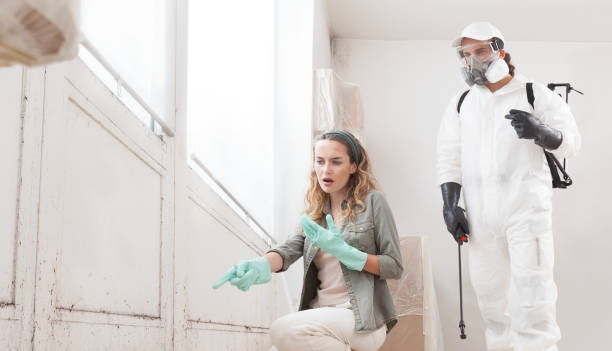
Mold remediation service: worried woman at a home renovation site shows a mold problem to a professional worker clad in a protective suit and a backpack sprayer to remove mold before house painting Mold remediation service: worried woman at a home renovation site shows a mold problem to a professional worker clad in a protective suit and a backpack sprayer to remove mold before house painting Pest Control stock pictures, royalty-free photos & images

Pest control plays a vital role in maintaining a safe, healthy, and comfortable living environment. From safeguarding your family’s health to protecting your property from damage, effective pest management is an essential component of responsible homeownership. Pests can pose significant risks if left unchecked, making it crucial to understand the purpose of pest control and its importance.

Protecting Your Health

  • Preventing disease transmission: Rodents, cockroaches, mosquitoes, and ticks are known vectors for diseases such as Lyme disease, West Nile virus, salmonella, and hantavirus.
  • Reducing allergen exposure: Dust mites, cockroach droppings, and dander from rodents can trigger allergic reactions or worsen asthma symptoms in sensitive individuals.
  • Maintaining indoor air quality: Pests like cockroaches and rodents can contaminate indoor spaces with droppings or urine that compromise air quality.

By eliminating pests promptly, you reduce the risk of exposure to these harmful agents.

Protecting Your Property

  • Termites: These insects silently destroy wood structures by feeding on beams, flooring, furniture, and walls. If left untreated, repairs can become costly.
  • Rodents: Rats and mice chew through electrical wires, insulation materials, plumbing pipes, and drywall. This creates safety hazards like electrical fires or water leaks.
  • Carpenter ants: Similar to termites but often harder to detect initially due to their preference for damp or decayed wood.

Effective pest control measures help mitigate these hidden threats before they escalate into severe problems requiring expensive restoration efforts.

Promoting Peace of Mind

  • Fear of bites from bed bugs or spiders disrupts comfort during rest.
  • Anxiety over food contamination lowers confidence when preparing meals.
  • Persistent infestations may affect mental well-being over time.

Regular pest management restores comfort by creating a clean space where families feel secure.

Environmental Health Considerations

Pest Type Impact on Environment
Mosquitoes Overpopulation disrupts local biodiversity
Rodents Invade habitats affecting native wildlife
Termites Damage plants critical ecosystems rely upon

Discover the Advantages of Hiring an Exterminator Miami Gardens FL Services

Professional pest control services provide a wide range of benefits that go beyond simply removing unwanted pests from your home or business. These services are tailored to address the unique challenges associated with pest infestations, helping to protect your property, health, and overall well-being. Below is a closer look at how professional exterminators deliver value and why hiring them is a wise decision.

1. Customized Treatment Plans

One of the key advantages of professional pest control services is their ability to design customized plans based on the specific type of infestation you are facing. This ensures effective treatment that targets the problem at its root.

For example: – Rodent infestations may require traps, bait stations, and sealing entry points. – Termite problems can involve chemical treatments or barrier systems. – Cockroach issues may be addressed with targeted pesticide applications and sanitation measures.

2. Health Protection

Pests such as rodents, cockroaches, and mosquitoes carry diseases that can pose significant health risks to you and your family. Professional exterminators help mitigate these risks by eliminating pests in an effective and safe manner.

Common health concerns caused by pests include: – Rodents: Spread diseases such as hantavirus, leptospirosis, and salmonella. – Cockroaches: Trigger asthma attacks and spread bacteria like E.coli or Salmonella. – Mosquitoes: Transmit viruses such as West Nile Virus or Dengue Fever.

By addressing these hazards proactively, professionals help maintain a safer living environment for everyone in your space.

3. Long-Term Prevention

Unlike DIY solutions that often provide only temporary relief, professional pest control focuses on long-term prevention strategies. Exterminators identify potential entry points or conditions that attract pests and implement solutions to keep them from returning.

Some preventative measures include: – Installing physical barriers such as mesh screens or caulking gaps around doors/windows. – Recommending structural repairs (e.g., fixing leaking pipes). – Providing guidance on proper sanitation practices to minimize attractants like food debris.

This proactive approach saves time, effort, and money over the long term by reducing the likelihood of recurring infestations.

4. Use of Safe Products & Techniques

Professional exterminators are trained to use pesticides safely and effectively in accordance with regulations set by government agencies like the Environmental Protection Agency (EPA). This ensures: – Minimal risk to humans, pets, or non-target species. – Reduced environmental impact through responsible use of chemicals.

Additionally, many companies now offer eco-friendly pest control options for those who prefer natural treatments over conventional methods.

5. Cost Efficiency

While hiring a professional service may seem costly upfront compared to DIY methods, it often proves more cost-effective in the long run. Early intervention by experts prevents extensive damage caused by unchecked infestations—particularly with termites or rodents—which could result in expensive repairs if left untreated.

A comparison example:
| Type of Damage | DIY Costs | Exterminator Costs | Potential Repair Costs Without Treatment | |—————————|———————–|—————————-|———————————————| | Termite Infestation | $100–$400 (chemicals)| $500–$1,500+ | $3,000–$10,000+ | | Rodent Damage | $50–$200 (traps) | $300–$600 | $1,000+ (electrical & structural damage) |

As shown above, professional services often prevent major expenses down the line while providing comprehensive results.

6. Peace of Mind

Lastly—and perhaps most importantly—having skilled professionals handle your pest problems provides peace of mind knowing that the issue has been resolved thoroughly. You can rest assured that your family’s health is protected while ensuring your property remains secure from damaging infestations.

By investing in expert pest control services today, you’re safeguarding not just your home but also your safety and quality of life tomorrow—making it an invaluable step toward maintaining both comfort and security in any living environment.

Effective Miami Gardens FL Pest Control for Your Health, Property, and Peace

Pest control is not just about eliminating unwanted creatures from your home; it is a vital step in safeguarding your health, property, and mental well-being. Left unchecked, pests can harm your living environment in ways that extend beyond mere inconvenience. Here’s a comprehensive look at how effective pest control protects what matters most.

Effective Miami Gardens Pest Removal to Protect Your Health from Diseases

  • Rodents: Known for transmitting diseases like hantavirus and leptospirosis through their droppings, urine, and saliva.
  • Cockroaches: Can trigger asthma attacks and allergic reactions while spreading pathogens like Salmonella and E. coli on surfaces they touch.
  • Mosquitoes: Responsible for spreading harmful illnesses such as malaria, dengue fever, and West Nile virus.
  • Ticks: Carry Lyme disease, which can cause long-term complications if untreated.

By proactively addressing pest issues through professional pest control services or preventive measures, you reduce the chances of exposing yourself to these risks.

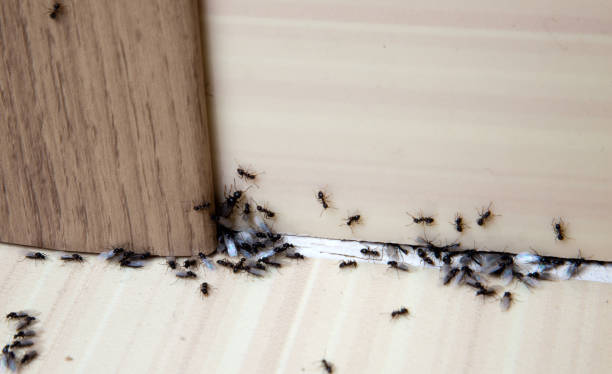
Ants in the house Ants in the house on the baseboards and wall angle Pest Control stock pictures, royalty-free photos & images

Protect Your Property with a Reliable Pest Control Service Miami Gardens FL

  • Termites: These insects feed on wood structures such as beams and furniture, potentially compromising the integrity of your home over time.
  • Carpenter Ants: Similar to termites but often overlooked until significant damage has occurred within walls or foundations.
  • Rodents: Apart from chewing through food packaging, rats and mice gnaw on electrical wires—creating fire hazards—and insulation materials that weaken energy efficiency.

Regular pest management ensures potential damage is mitigated early to protect your home investment.

Pest Type Common Damage Caused Potential Cost of Repairs
Termites Structural wood destruction $1,000 – $10,000+
Rodents Wire insulation & fire hazards $500 – $3,000
Carpenter Ants Wall void damages $1,500 – $5,000

Enhancing Peace of Mind Through Pest-Free Living

The psychological toll of an infestation should not be underestimated. Having pests in your home can disrupt sleep patterns due to anxiety or fear of harm from bites or contamination. A properly executed pest control plan offers more than just physical safety—it promotes emotional well-being by creating a clean space where you feel secure.

Key benefits include: – Reduced stress levels knowing your environment is free from threats. – Improved confidence inviting guests over without embarrassment due to visible pests. – Freedom from constant worry about potential property destruction.

Effective Solutions for Long-Term Results

1) Inspection Services: Identify existing pest problems alongside hidden vulnerabilities inviting future infestations. 2) Customized Treatments: Use eco-friendly products where possible preventing harm against humans/pets while effectively targeting unwelcome visitors. 3) Maintenance Plans: On-going checks paired w/ seasonal treatment cycles ensuring lasting efficacy year-round protection.

By combining informed prevention strategies alongside expert assistance ensures optimal results safeguarding both tangible / intangible aspects everyday life homeowners alike cherish deeply.

How Pest Control Safeguards Food, Water, and Essential Resources

Pest control plays a critical role in protecting the food we eat, the water we drink, and other essential resources that sustain our daily lives. Pests such as insects, rodents, and other vermin can quickly contaminate these vital resources, putting health and safety at risk. Without proper pest control measures in place, the consequences of unchecked infestations can be severe in both residential and commercial settings. Below is an exploration of how pest control safeguards these resources.

Protecting Food from Contamination

  • Prevention of Pathogens: Rodents and insects often carry bacteria like Salmonella or E. coli that can contaminate stored food supplies. Proper extermination prevents their access to pantries, warehouses, or processing facilities.
  • Minimizing Food Waste: Pests destroy not only quality but also quantity by eating through packaging or burrowing into grain stocks. Regular pest inspections ensure early detection and minimize waste.
  • Compliance with Health Standards: For food-related businesses, professional exterminators ensure compliance with strict health codes to maintain safety for consumers.
Pests Common Contaminants Example Impacts
Rodents Salmonella, Listeria Spoiling packaged goods
Cockroaches E.coli Spreading diseases in kitchens
Pantry moths & beetles Fungal spores Infesting grains/legumes

Preserving Clean Water Supplies

  • Rodent Intrusion: Rats or mice may enter water storage areas and spread disease-causing pathogens via droppings or urine.
  • Insects Breeding Grounds: Stagnant water becomes an ideal breeding ground for mosquitoes that transmit illnesses such as malaria or dengue fever.
  • Structural Damage Risk: Termites tunneling near plumbing systems can cause leaks and disrupt access to clean water sources.

Strategic pest management ensures protection by sealing potential entry points for pests around wells, tanks, reservoirs, and pipes.

Safeguarding Agricultural Resources

  1. Crop Destruction: Insects such as locusts have been known to consume entire harvests within days.
  2. Stored Grain Protection: Beetles, weevils, and moth infestations in silos lead to spoilage.
  3. Reduction of Livestock Issues: Parasites like ticks harming farm animals are mitigated with expert pest control practices.

Using targeted treatments like fumigation (for stored grain) or biological pest controls (such as introducing natural predators on farms) creates sustainable solutions.

Key Steps for Resource Protection Through Pest Control

Here are some effective strategies employed during pest control efforts:
– Conducting regular inspections in vulnerable areas like kitchens or pantries
– Sealing cracks/crevices where pests may infiltrate food or water supplies
– Using non-toxic traps near sensitive zones
– Implementing Integrated Pest Management (IPM) methods that balance chemical use with environmentally friendly alternatives

By adopting tailored solutions specific to each scenario—whether safeguarding household pantries or large-scale agricultural operations—pest control experts help maintain the integrity of our most valuable resources while reducing risks associated with contamination or depletion through infestations.

Recognizing the Risks of Uncontrolled Pest Infestations

Pests might seem like minor nuisances at first, but when left unchecked, their presence can spiral into extensive health, property, and environmental problems. Understanding the risks associated with uncontrolled pest infestations is crucial for homeowners and businesses alike.

Health Hazards of Pest Infestations

  • Rodents: Spread diseases such as Hantavirus, Salmonella, and Leptospirosis through contaminated food or surfaces.
  • Cockroaches: Trigger allergies and asthma attacks, especially in children. They can also carry bacteria like E. coli and Salmonella.
  • Mosquitoes: Transmit illnesses such as West Nile Virus, Dengue Fever, Zika Virus, and Malaria.
  • Ticks: Spread Lyme disease and other tick-borne illnesses.
  • Fleas: Can transmit tapeworms to pets or cause severe skin irritation.

These health issues often require medical attention and could lead to long-term complications if not addressed promptly.

Structural Damage to Property

  • Termites: Literally eat away at the wooden structures of your home, weakening foundations over time.
  • Carpenter Ants: Dig tunnels through wood to build nests, leading to structural deterioration.
  • Rodents: Chew through electrical wiring, which increases fire hazards. They may also gnaw on insulation or water pipes.
  • Beetles (e.g., Powderpost Beetles): Damage wooden furniture or flooring by burrowing into wood products.

Unchecked infestations can lead to costly repairs or even unsafe living conditions.

Pest Type Common Damage Caused
Termites Weakening foundations & walls
Rodents Damaging electrical wires & insulation
Carpenter Ants Compromising structural integrity
Cockroaches Contaminating food supplies

Environmental Consequences

  1. Invasive species like certain ants or beetles outcompete native wildlife for resources.
  2. Overpopulation of pests contributes to imbalances in predator-prey relationships.
  3. Rodent infestations near agricultural areas may lead to crop destruction.

Financial Implications of Ignoring Infestations

  • Increased repair costs due to prolonged structural damage.
  • Higher medical expenses from pest-related illnesses or injuries.
  • Reduced property value caused by visible signs of infestation.

Investing in regular pest control services is far more cost-effective than dealing with the aftermath of an uncontrolled infestation.

Recognizing these risks highlights why proactive prevention measures are essential for maintaining a safe and healthy environment. By addressing infestations early with professional exterminator services or routine inspections, homeowners can protect both their families’ well-being and their investments from potential harm caused by pests.

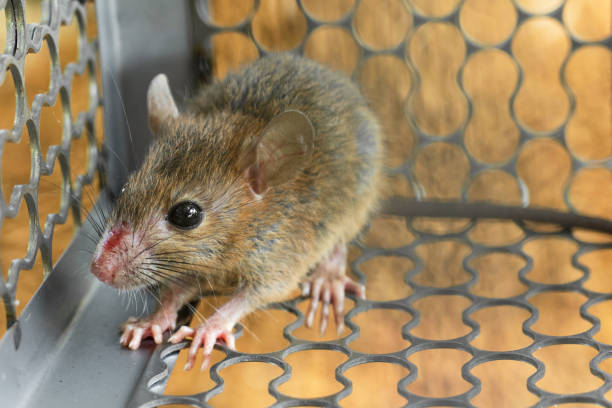
Mice trapped in a trap cage. Inside of rat traps. Mice trapped in a trap cage. Inside of rat traps. Pest Control stock pictures, royalty-free photos & images

How Expert Exterminators Can Prevent Pests from Spreading and Causing Damage

Pest infestations can escalate quickly if left unchecked, leading to widespread damage to property, health hazards, and contamination of essential resources. Expert exterminators play a crucial role in addressing these challenges effectively. Their experience and specialized tools allow them to not just remove pests but also prevent their spread and recurrence. Below are some of the strategies and benefits of relying on professional extermination services.

Identifying the Source of Infestation

One of the key strengths of expert exterminators lies in their ability to pinpoint the root cause of pest problems. Rather than addressing only visible symptoms, they:
– Conduct thorough inspections to locate nests, entry points, or breeding grounds.
– Identify attractants such as food sources, moisture accumulation, or structural vulnerabilities that encourage pest activity.

By addressing the source rather than treating surface-level issues, professionals reduce the likelihood of infestations spreading further throughout your property.

Customized Treatment Plans

Professional pest control experts tailor their methods based on:
– The specific type of pest (e.g., termites, rodents, cockroaches).
– The level and extent of infestation.
– The unique layout and environmental factors in your home or business site.

This targeted approach ensures efficient control without unnecessary use of chemicals or treatments that may not be required.

Preventing Structural Damage

Certain pests like termites and carpenter ants are notorious for causing extensive structural damage over time by feeding on wood or burrowing into foundations. Exterminators help prevent this by:
– Applying long-lasting treatments specifically designed for wood-boring insects.
– Sealing cracks or crevices that provide entry points into walls and foundations.

By implementing preventive measures early on, they can protect your home from costly repairs caused by hidden damage.

Common Pests Potential Damage Professional Solution
Termites Weaken wooden structures Wood treatment solutions & baiting systems
Rodents Chew wires; contaminate food Traps & exclusion techniques
Cockroaches Spread bacteria Safe insecticides & removal methods

Reducing Health Risks

Certain pests pose significant health risks by carrying allergens, bacteria, or diseases into your living spaces. Examples include:
– Allergic reactions triggered by cockroach droppings or dust mites. – Diseases like Salmonella spread by rodents contaminating surfaces.

Expert exterminators use safe techniques to eliminate these risks while ensuring compliance with safety standards.

Implementing Long-Term Prevention Strategies

Beyond immediate removal efforts, professional exterminators focus on prevention to stop pests from returning: – Educating residents about effective sanitation practices. – Recommending maintenance actions such as fixing leaks or improving ventilation. – Installing physical barriers like mesh screens over ventilation ducts.

Their expertise offers peace of mind knowing that both short-term removal needs and long-term preventative actions have been covered comprehensively.

Hiring expert exterminators is a proactive step toward preserving your property’s integrity while maintaining a healthy living environment free from unwanted intrusions caused by pests multiplying unchecked over time.

How Expert Exterminators Can Prevent Pests from Spreading and Causing Damage

Pest infestations, if left unchecked, can lead to significant health risks, structural damage, and financial burdens. Expert exterminators play a critical role in mitigating these risks by using their specialized knowledge and tools to prevent pests from spreading and causing harm. Their professional approach ensures both immediate relief and long-term prevention.

Identifying the Source of Infestation

  • Conduct thorough inspections to locate nests or breeding sites.
  • Identify entry points such as gaps in walls, windows, and doors.
  • Determine the specific pest species to tailor control measures effectively.

By targeting the source directly, they can stop pests from multiplying and spreading further throughout your property.

Using Targeted Treatment Methods

  • Chemical Treatments: Specialized pesticides tailored for specific pests.
  • Biological Control: Utilizing natural predators or eco-friendly solutions.
  • Exclusion Techniques: Sealing entry points to block access for pests.
  • Integrated Pest Management (IPM): A combination of preventive measures, monitoring, and targeted interventions.

Unlike DIY approaches that often apply generic solutions, expert exterminators ensure precision in their methods for maximum effectiveness.

Preventing Structural Damage

Pest Type Potential Damage Expert Solution
Termites Weakening wooden structures Soil treatments & baiting systems
Rodents Chewing electrical wires & walls Trapping systems & exclusion methods
Carpenter Ants Damaging wood through tunneling Direct application of insecticides & sealing

By addressing infestations early with professional intervention, you can save on costly repairs caused by unchecked pest activity.

Ensuring Health Safety

  • Rodents can spread hantavirus through droppings.
  • Cockroaches may trigger asthma attacks or allergies.
  • Mosquitoes are carriers of diseases like West Nile Virus or dengue.

Expert exterminators use targeted strategies that not only remove these threats but also reduce exposure hazards during the treatment process by following strict safety protocols.

Long-Term Prevention Plans

  1. Regular inspections to monitor pest activity.
  2. Recommendations for maintaining cleanliness and reducing attractants (e.g., food debris).
  3. Sealing cracks or structural vulnerabilities around the property.
  4. Advice on landscaping adjustments to deter outdoor pests like mosquitoes or ticks.

This proactive approach ensures that your home remains protected against future infestations.

Why Expertise Matters

Attempting pest control without proper training can result in incomplete eradication or accidental damage to your property. Professional exterminators bring years of experience coupled with access to industry-grade tools and products unavailable in retail stores. Their expertise guarantees results while minimizing disruptions to your daily routine.

By investing in professional pest control services, homeowners benefit from peace of mind knowing their property is safeguarded against current threats while preventing future infestations from gaining a foothold.